
Popular residential solar system option
Request assessment
Powering a cleaner Australia
Residential & Commercial Solar Specialists
Home solar, designed for real life.
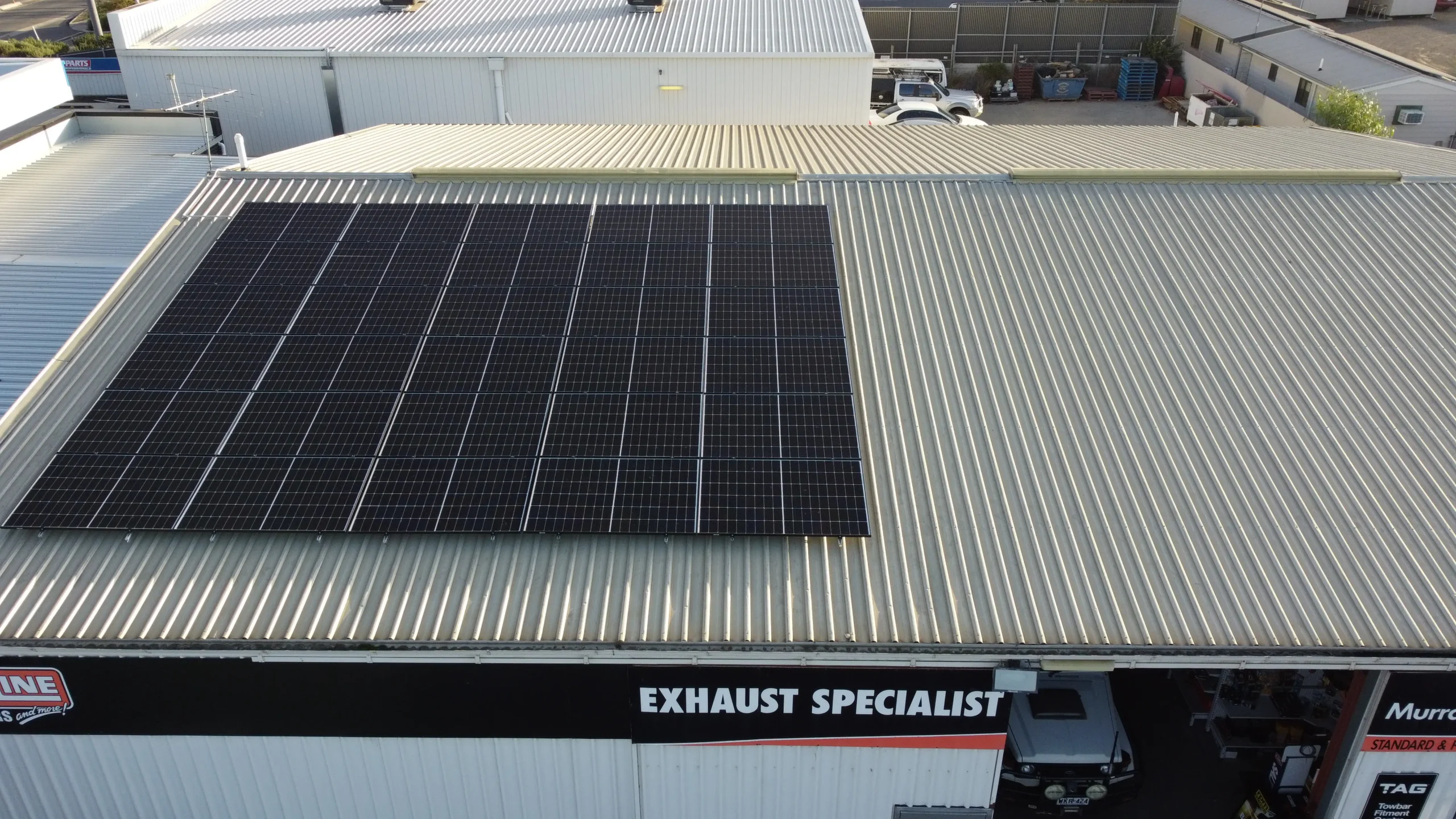
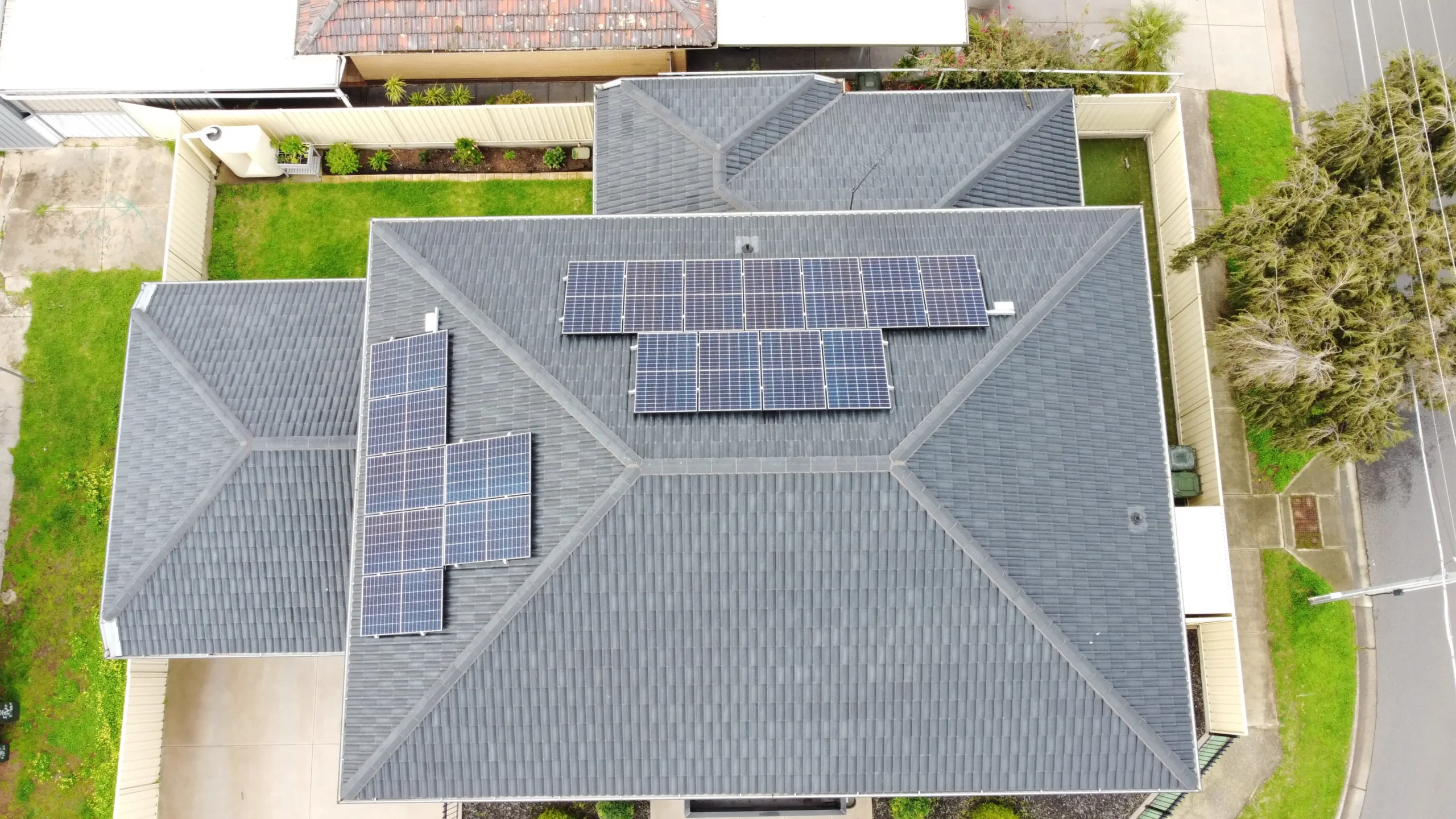
Reduce grid dependence with a residential solar system designed around your household’s energy use, roof layout and plans for the future.
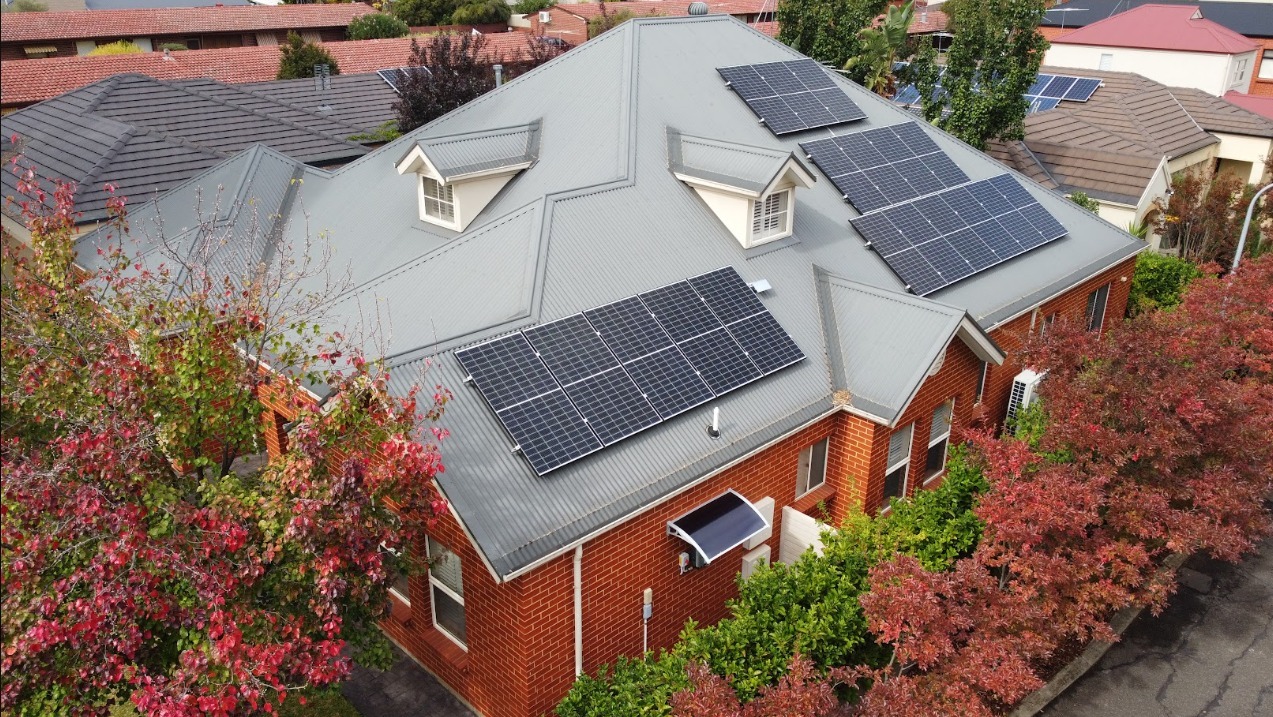
Customised for home.
System design shaped by your usage, roof and long-term energy goals.
Higher-capacity home solar option
Discuss your needsTypical panel performance warranty—brand terms vary
Read FAQsNo-commitment site evaluation
Book evaluation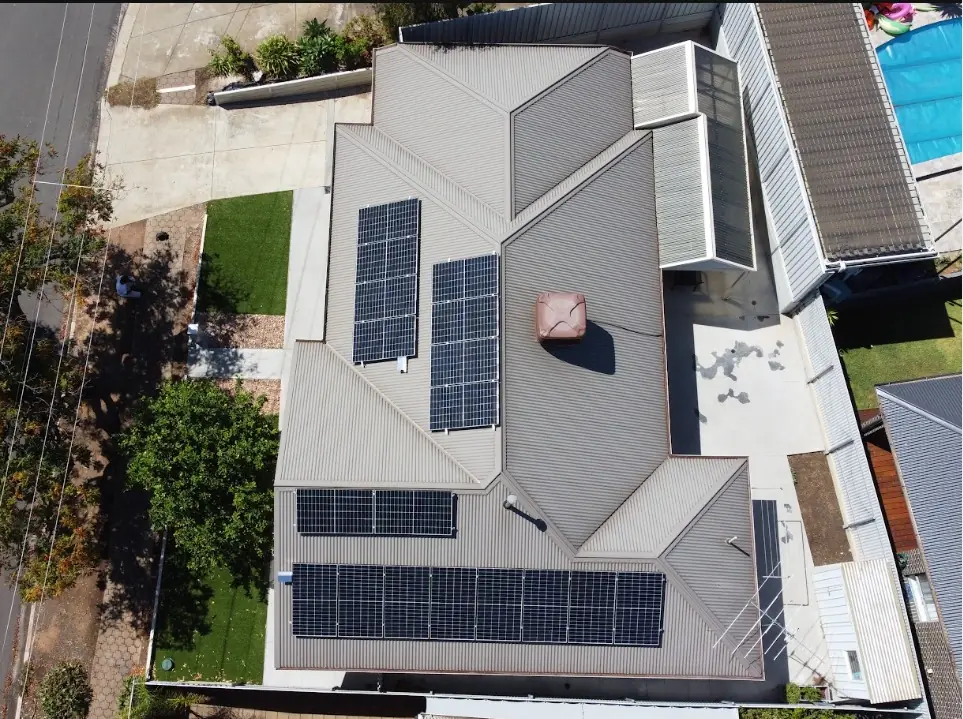
Use more sunshine.
Generate clean energy on your roof and reduce the amount purchased
from the grid.
Why residential solar
A smarter way to power your home.
Solar panels generate DC electricity from sunlight; an inverter converts it into AC electricity that can power appliances throughout your home.
A well-designed system considers when you use energy, your roof orientation, shade, available space and future requirements such as battery storage or EV charging. Any unused energy may be exported under your retailer’s applicable feed-in arrangements.
Lower grid energy dependence
Reduced household emissions
Roof and shading assessment
Future-ready system planning
Residential system pathways
Start with the right capacity.
System size and expected generation depend on the property, location, equipment and usage profile. Final recommendations should follow a site assessment.
6.6kW solar
A commonly selected residential size for households seeking a practical starting point for daytime generation.
Assess my home10kW solar
A larger option for suitable homes with higher consumption, more roof space or future energy needs.
Discuss 10kW solarHybrid & battery
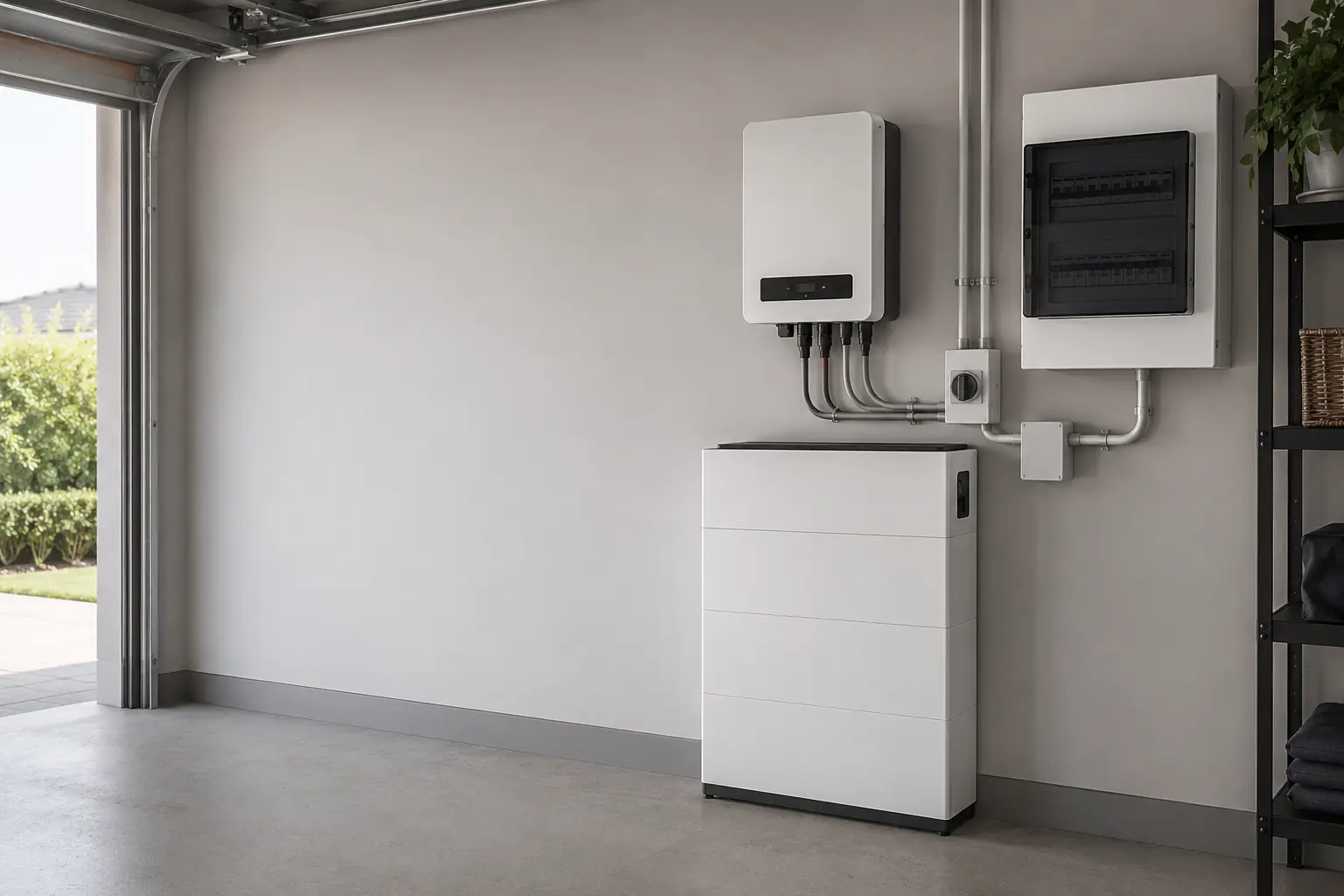
Combine compatible solar, hybrid inverter and battery technology to store energy for later use.
Explore batteriesResidential product range
Technology for a complete home system.
Panels, storage and inverter technology must be selected as one compatible system. Explore a selection of Solaring’s verified residential product range below.
Explore all products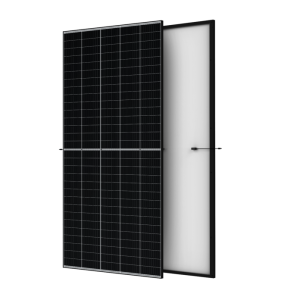
Trina Solar Vertex S 405–430W
Compact, high-output monocrystalline panels designed for considered residential rooftop systems.
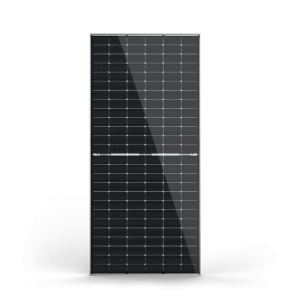
Jinko Solar Tiger Neo 410–430W
N-type mono-facial modules combining strong output with long-term performance credentials.
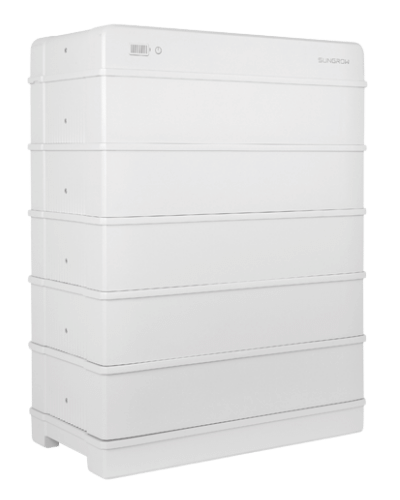
Sungrow SBR Battery System
A modular high-voltage battery platform for compatible Sungrow hybrid home-energy systems.
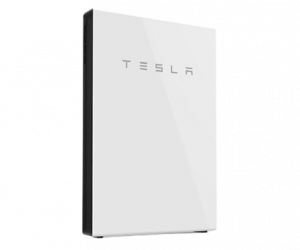
Tesla Powerwall 2
Integrated home battery storage designed to retain compatible solar energy for later household use.
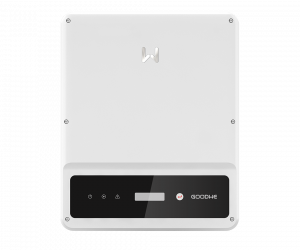
GoodWe Solar Inverter
Efficient solar conversion and monitoring for compatible residential photovoltaic systems.
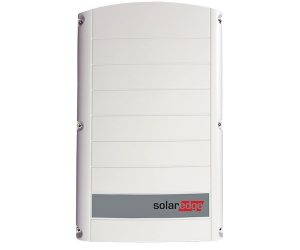
SolarEdge Inverter
An inverter platform for compatible optimiser-based systems with module-level visibility.
Understanding solar value
What actually shapes the financial benefit?
The value of a home solar system is different for every household. Your electricity use, system size, roof conditions and the way you use or export generated energy all influence the outcome.
Clean Energy Council consumer guideHow and when you use power
Household consumption and the times of day that electricity is used help determine how much solar generation can be used directly in the home.
The right system capacity
A larger system is not automatically the better investment. Capacity should be matched to the property, consumption profile, available roof area and future energy requirements.
Positioning, tariffs & exports
Panel placement and orientation affect generation, while electricity usage rates and applicable feed-in arrangements influence the value of energy used on-site versus exported to the grid.
Free no-commitment evaluation
What we look at before recommending a system.
The original Solaring residential process is built around assessing the home properly—not simply choosing a package from a price list. These are the practical factors reviewed when planning the system.
Book a free evaluationElectricity consumption
We review how much electricity the household uses and discuss current and future energy requirements.
Roof type
Roof construction and usable installation area are considered before panel layout is planned.
Shading conditions
Trees, neighbouring structures and other possible shading issues are considered because they can affect generation.
Roof orientation
Roof alignment is reviewed to help determine suitable panel positioning for the property.
Roof slope
Roof pitch forms part of the physical site assessment and can influence mounting and array layout.
Panel quantity & location
Available space, capacity and site conditions are considered when determining how many panels may be suitable and where they can go.
Inverter location
A practical inverter location is assessed as part of the complete electrical system design.
Cable route
Suitable wiring paths are considered before installation so the electrical design can be planned properly.
What comes next
Future battery storage, EV charging, higher household loads or other planned changes are discussed before the system is finalised.
Plan once, plan properly.
A site-specific assessment helps make sure system size, equipment
and layout are based on the home rather than assumptions.
How it works
Your home, assessed properly.
The free evaluation looks beyond a power bill to understand the physical site and how the system will be used.
Energy review
We examine electricity use and discuss current and future needs.
Roof assessment
Roof type, orientation, pitch, shade and usable panel area are reviewed.
System design
Panel positioning, inverter location, wiring and capacity are planned.
Install & monitor
The system is installed, connected and set up for performance monitoring.

Ready to get started?
See what solar could look like on your roof.
Book a free, no-commitment site evaluation. A Solaring consultant will assess your usage, roof and future needs before recommending a system.