
Entry commercial system pathway
Request assessment
Powering a cleaner Australia
Residential & Commercial Solar Specialists
Commercial solar that works harder.
Turn available roof space into a long-term energy asset with a commercial solar system designed around operating hours, consumption and business goals.
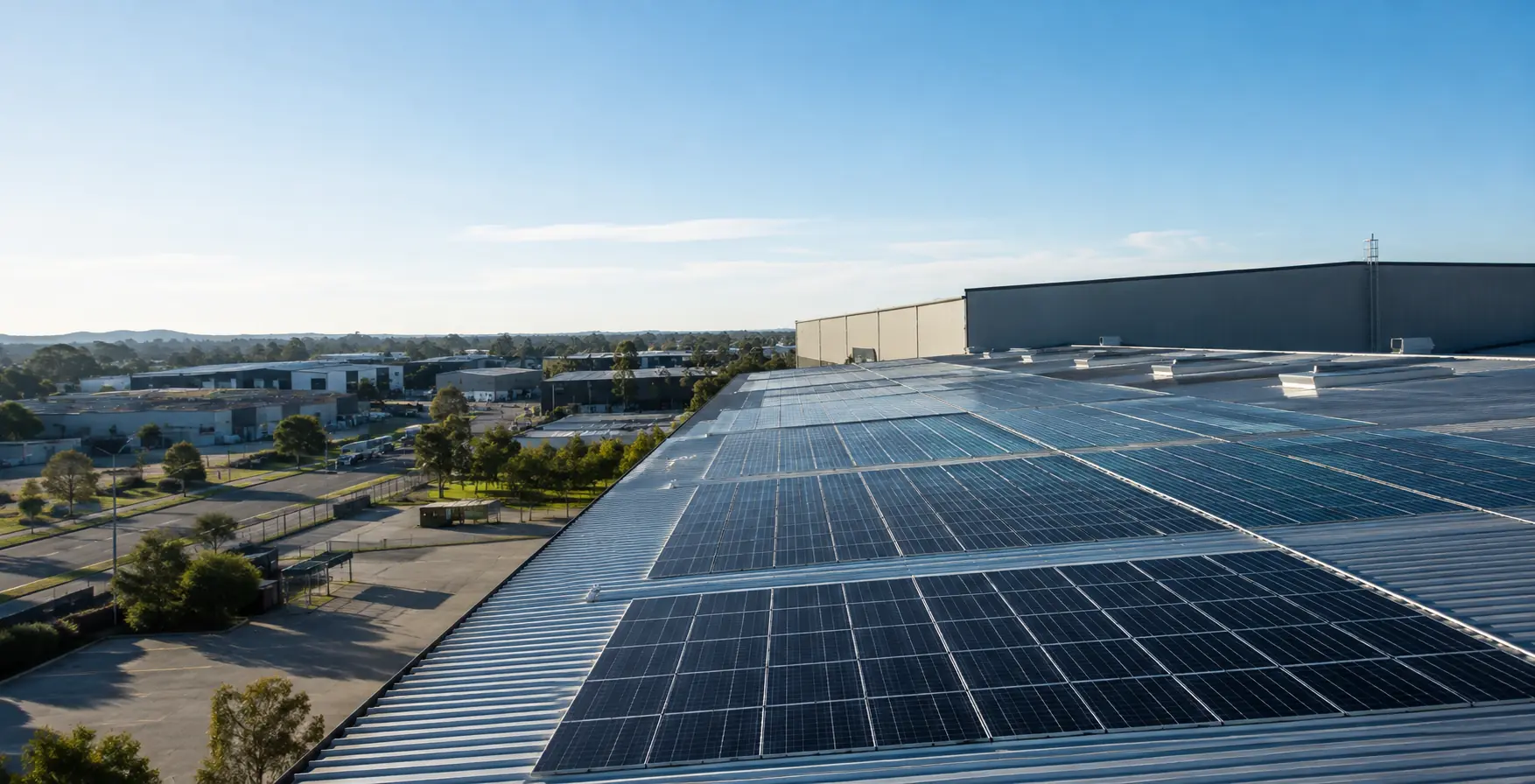
Built for business.
Scalable solar for offices, warehouses and commercial operations.
Flexible option for growing operations
Discuss your siteSuitable pathway for larger roof loads
Plan a systemLarge commercial system pathway
Talk to an expert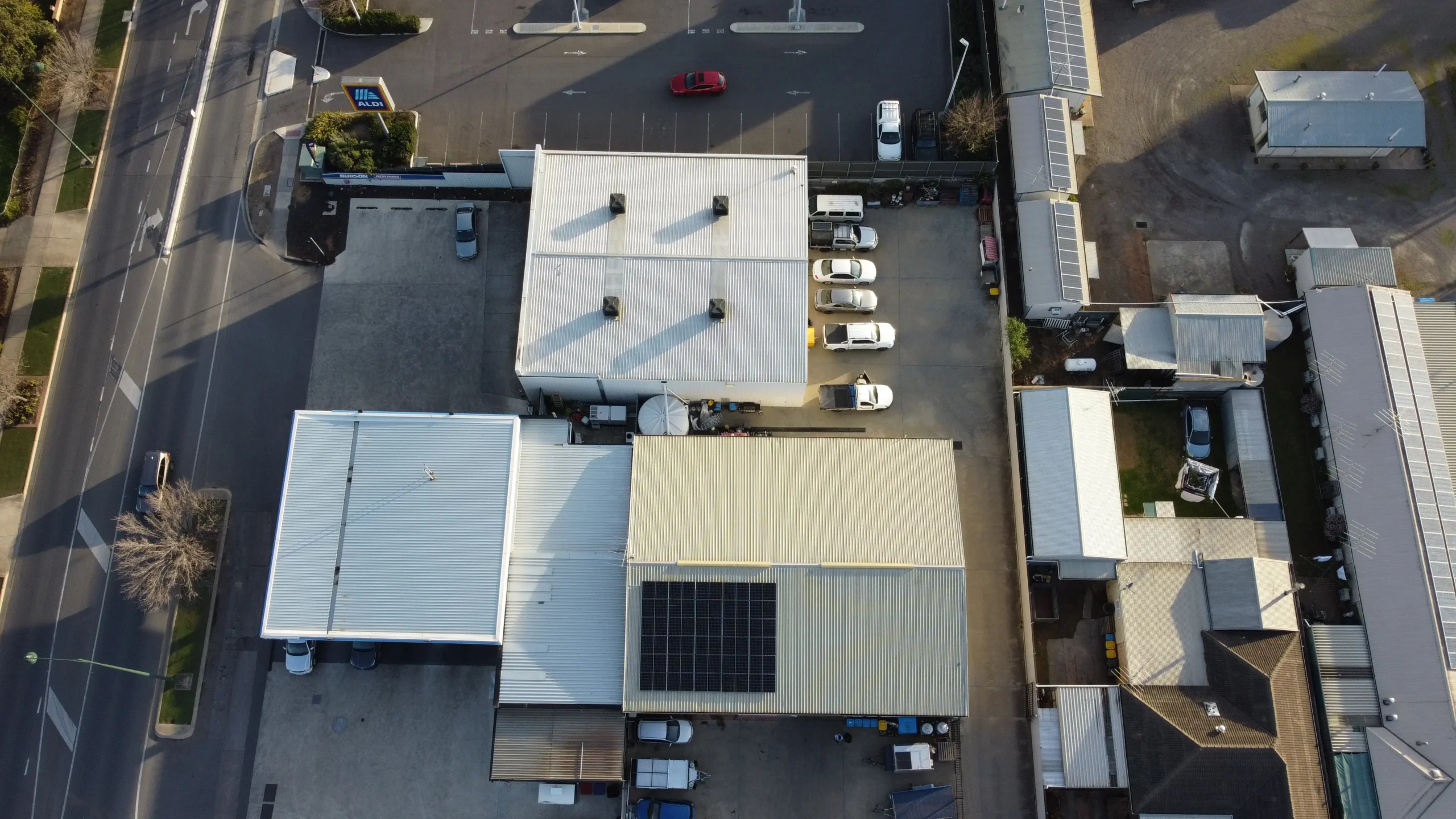
Make the roof productive.
Align daytime generation with business consumption and
sustainability goals.
Commercial energy strategy
Reduce costs. Strengthen resilience.
For many businesses, electricity is a significant operating expense. On-site solar can offset daytime grid consumption while supporting emissions and sustainability targets.
Solaring designs commercial systems for the site’s consumption pattern, available roof space, electrical infrastructure and future plans. Every proposal should be assessed on real usage data—not generic yield or payback promises.
Consumption-led system sizing
Commercial roof assessment
Grid and approval coordination
Monitoring and ongoing support
Commercial capability
Scale the system to the operation.
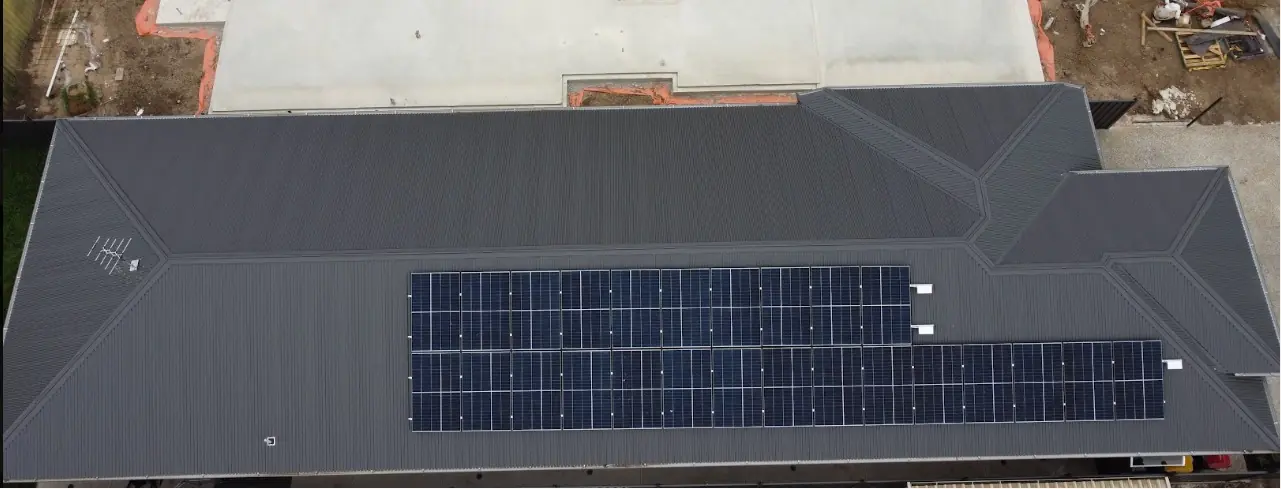
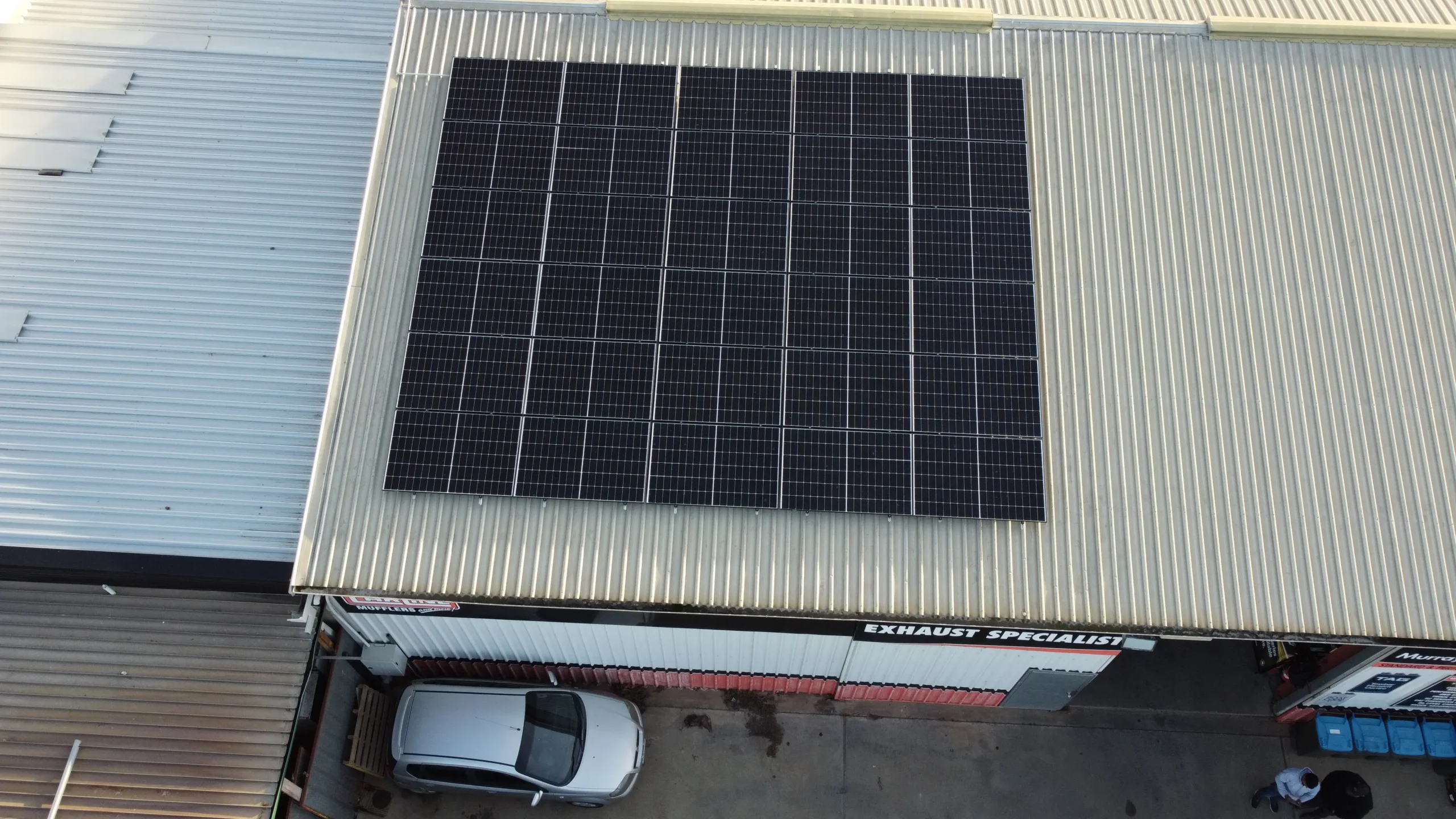
The existing Solaring range includes 15kW, 30kW, 50kW and 99.9kW pathways. Final sizing depends on interval data, infrastructure and site constraints.
15–30kW systems
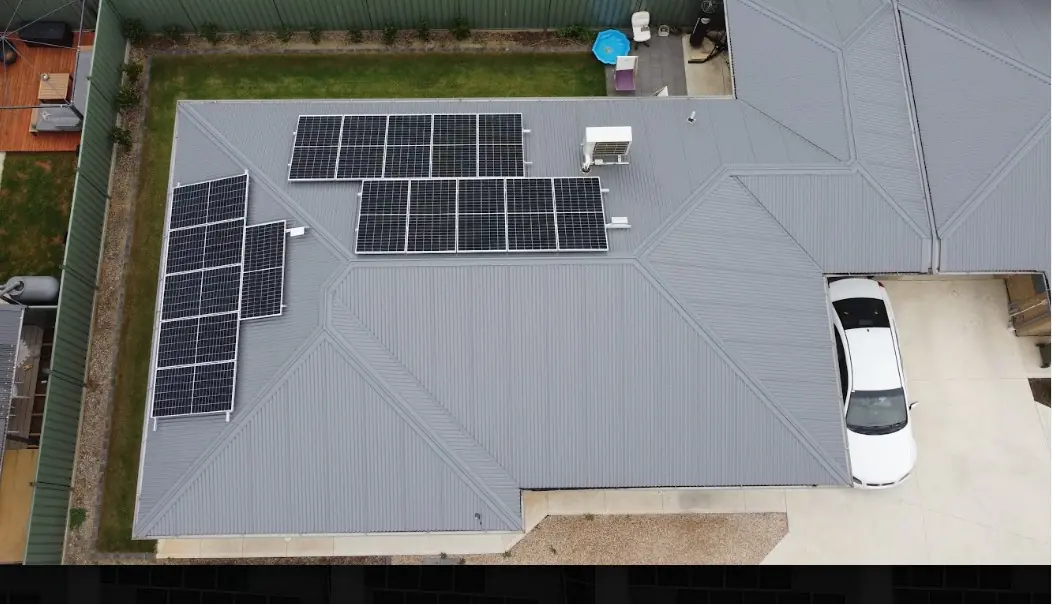
Flexible commercial solar for suitable offices, workshops, retail sites and smaller operations.
Request commercial review50–99.9kW systems
Higher-capacity rooftop systems for warehouses, complexes and energy-intensive daytime operations.
Discuss system scaleCommercial BESS
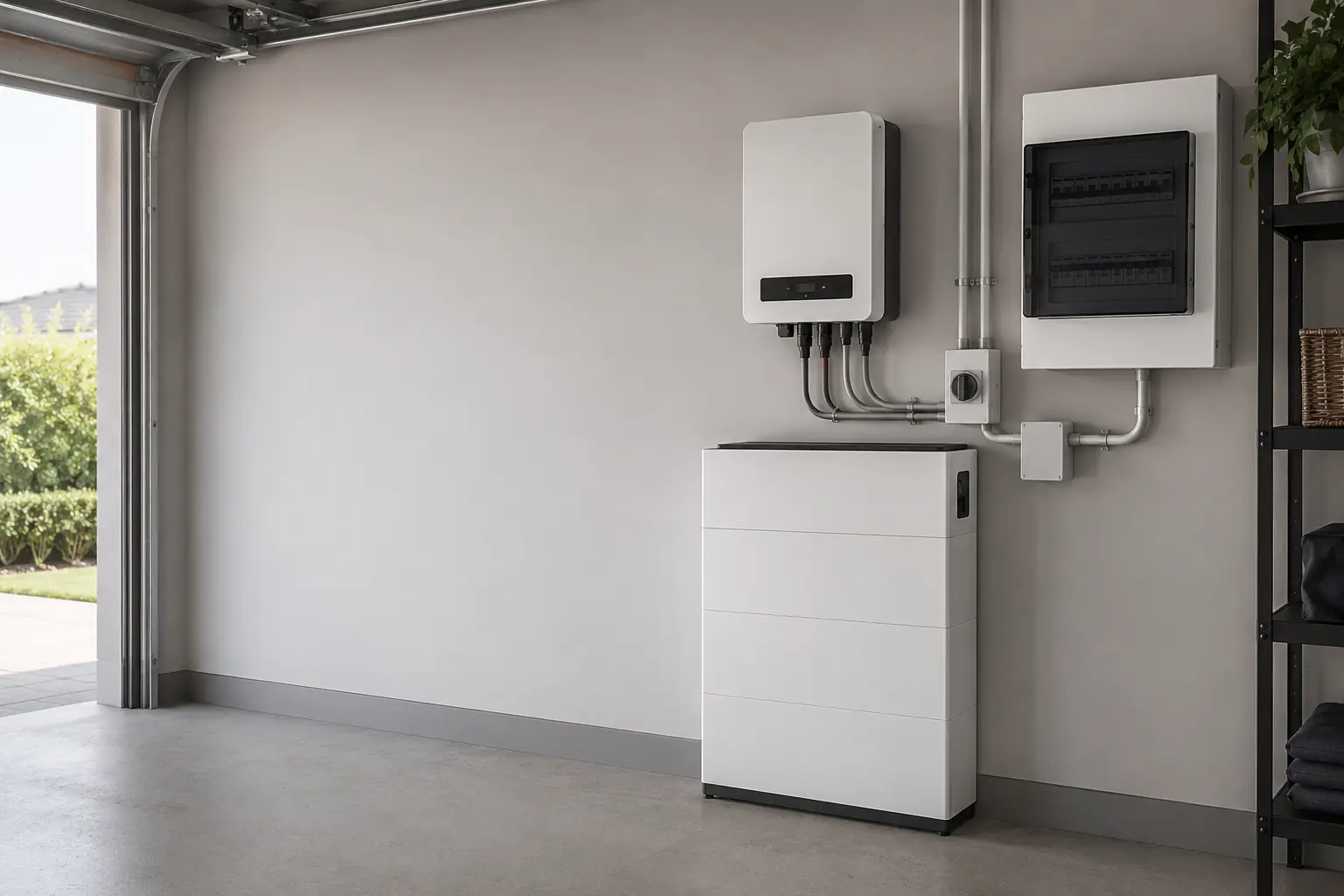
Battery storage can be assessed alongside generation where load profile, tariffs and business goals support it.
Explore battery storageHow it works
A commercial process built on evidence.
Commercial design should be grounded in energy data, site conditions, network requirements and a clear implementation plan.
Usage analysis
We review bills, load profile, operating hours and business objectives.
Site & design
Roof, switchboard, inverter placement and system capacity are assessed.
Approvals
Required network, documentation and project scheduling are coordinated.
Go-live
Installation, connection and cloud monitoring complete the project.
Ready to get started?
Put your energy data to work.
Start with a commercial site evaluation. We’ll assess your consumption, roof and operational goals before recommending the appropriate system size.